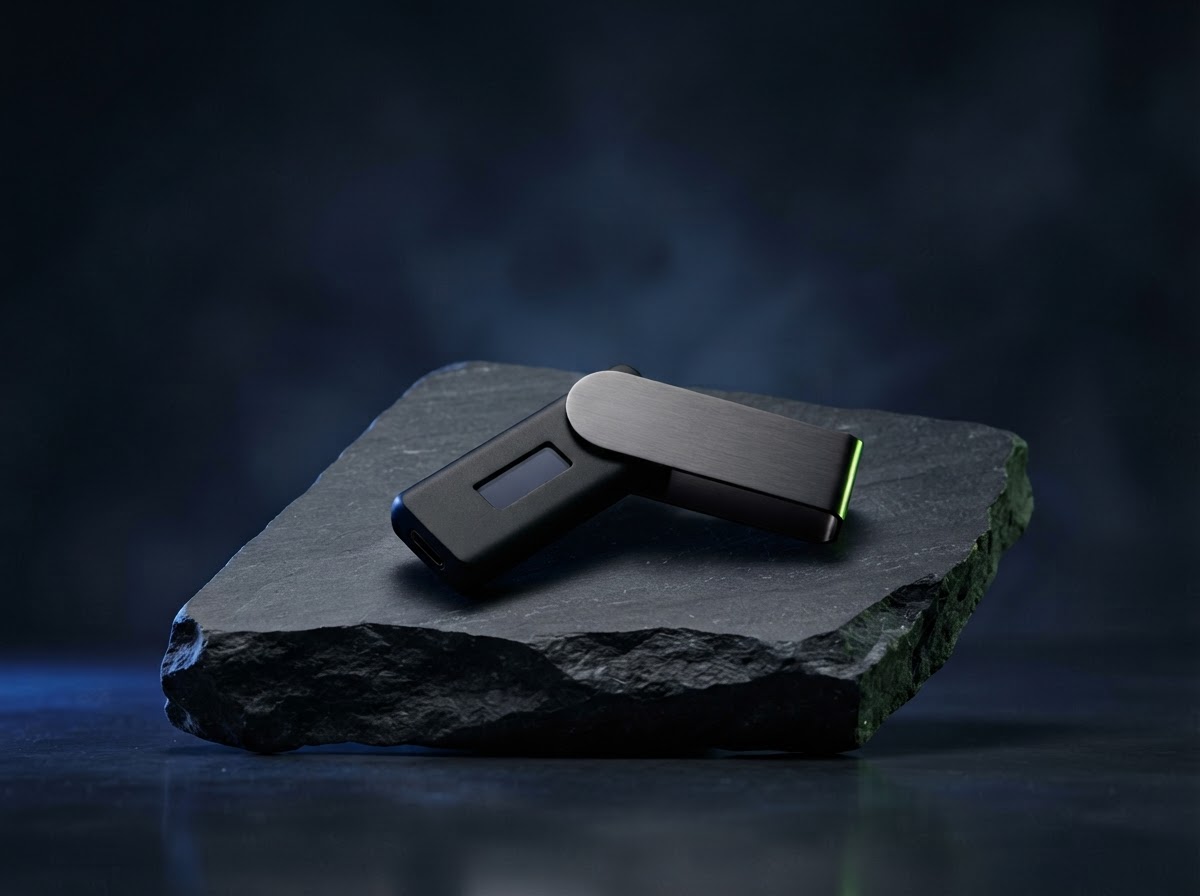
Getting started with a hardware wallet is less about mastering complex technology and more about building careful habits. Begin by checking that your device came from a trusted source and that its packaging looks as expected. Follow instructions shown on the device, and create a PIN you can remember without writing it beside your wallet.
During setup, your device may generate a recovery phrase. These words are the backup to your wallet: anyone who sees them could access your assets. Write them down in order, keep them offline in a private place, and never photograph, email, or type them into a website. A support team should never ask you to reveal them.
Install wallet-management software only from the provider’s official website or verified app store. Keep device software current, and understand each prompt before approving it. When sending cryptocurrency, compare the address and transaction details on your hardware wallet’s screen—not only on your phone or computer.
For a first transfer, consider sending a small test amount and confirm it arrives before moving more. Self-custody gives you greater control, but also makes you responsible for protecting access and making informed decisions. Slow down, question unexpected requests, and treat your recovery phrase as a key that belongs only to you. A steady start is a secure start.